4 Tips to Help You Find the Best Tree Removal Company for You

September 25, 2023

A tree can be removed for many different reasons. It may be diseased, have been damaged in a storm, or may simply need to be removed to clear the lot for a construction project. According to Arborists Near Me, around 82,000 businesses are currently active in the tree service industry in the U.S. right now. You have plenty of options, but how do you find the right one? Here are four of the tips that you can use to help you find the ideal removal company for your needs.


1. Verify They Are Insured


No one is perfect, and mistakes can be made when a tree is being removed. If a tree or limb falls in the wrong direction, it may damage your property or home. A company that has liability insurance will be able to cover the expenses associated with the damage that they created.


2. Talk to Their References


Prior to hiring a tree removal company, ask the company for references from people who've used their service in the past. Ask these people if they were happy with the company and if they would recommend them. You could also check out any reviews that may be on their website.


3. Ask What Happens to the Tree


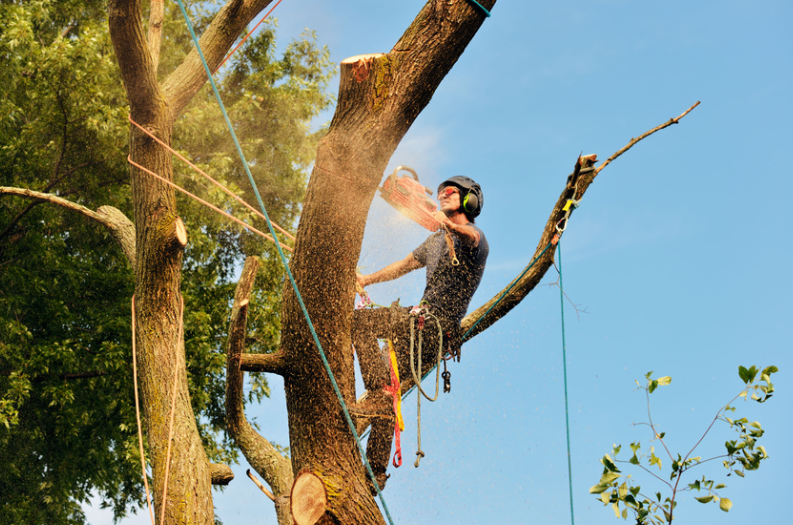
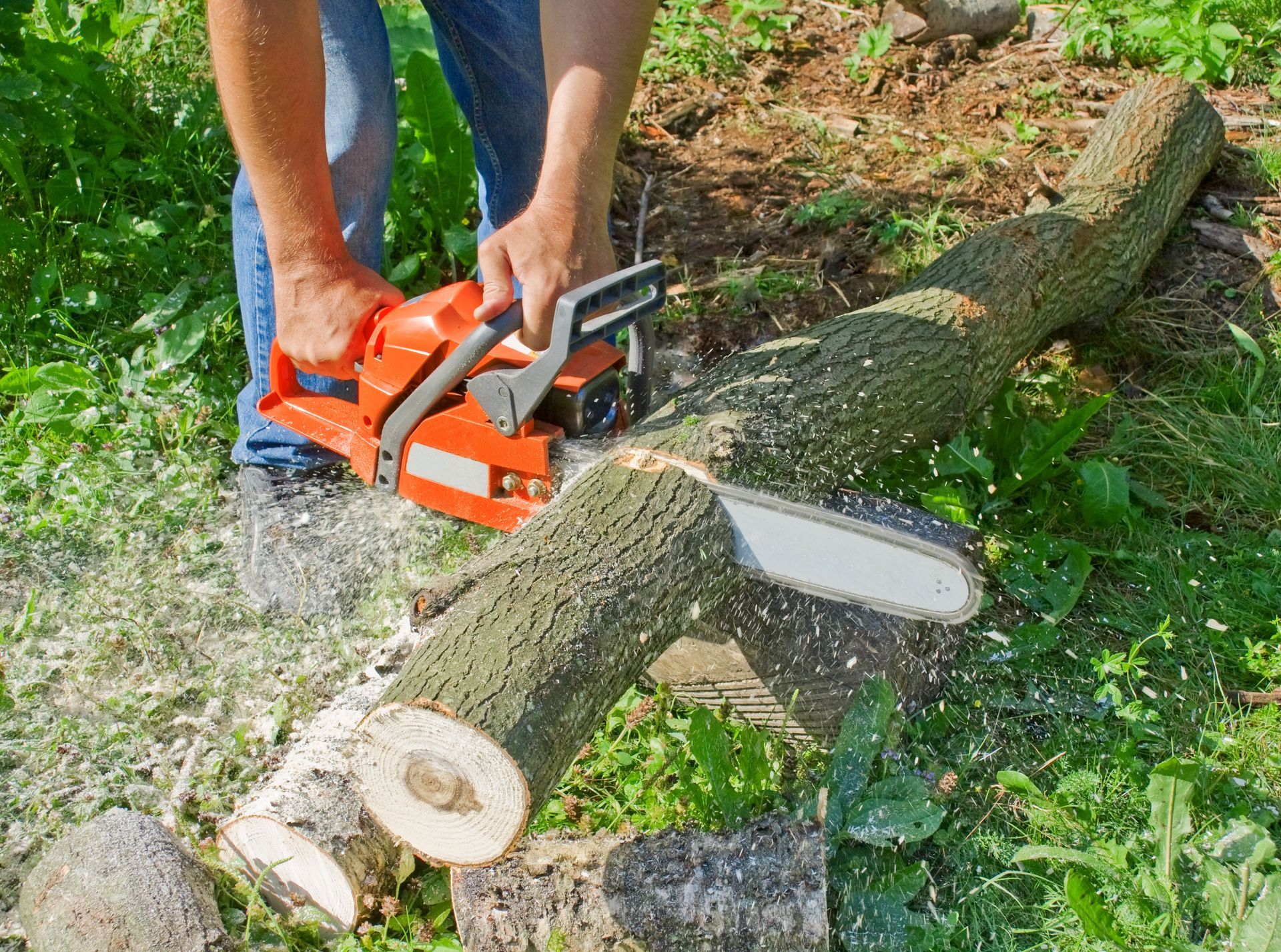
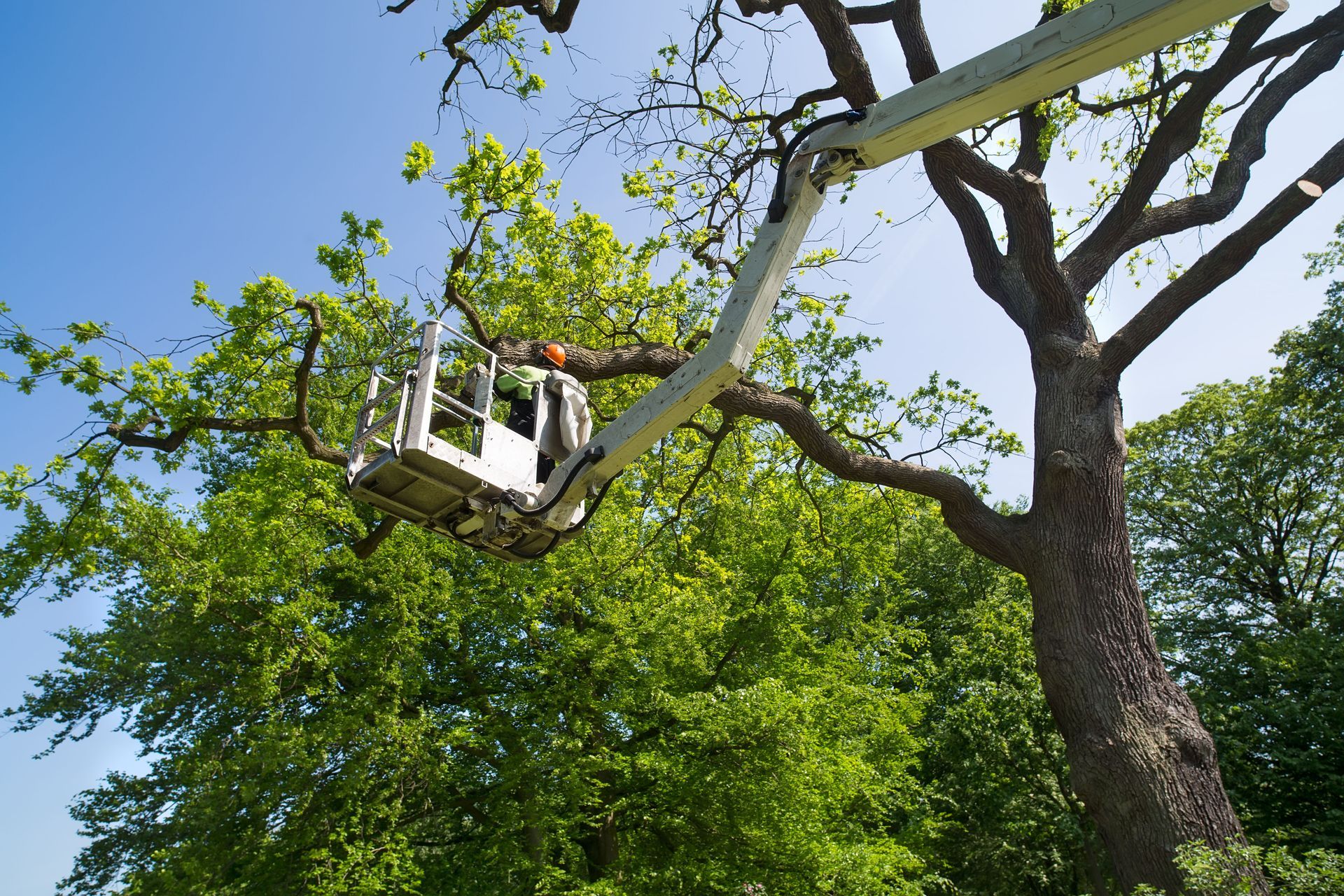
Motorized saws and other tools that can quickly cut through thick branches, and trucks are used for tree removal. However, once the tree comes down, you need to find out what happens to it. Does the removal company cut it up and leave it for you to haul away? Do they grind it up? You want to ensure you know what happens to the tree.


4. Find Out How They Treat the Stump


A tree removal company will remove a tree, but the stump usually remains. You can ask a removal company if they offer stump removal services, such as chemical stump-killing treatments or stump grinding, to fully remove the tree, the stump, and the roots from your outdoor space.


While every
tree removal company removes trees, how they go about removing the trees and what happens to the tree and stump afterward can vary from one company to the next. This is why it's so important to take the time to ask specific questions. It may take some time, but all in all, it helps you to find the right service for you. When you need a tree removed, we're ready to help you. Call Toms River Tree Service to schedule an appointment.
December 1, 2025
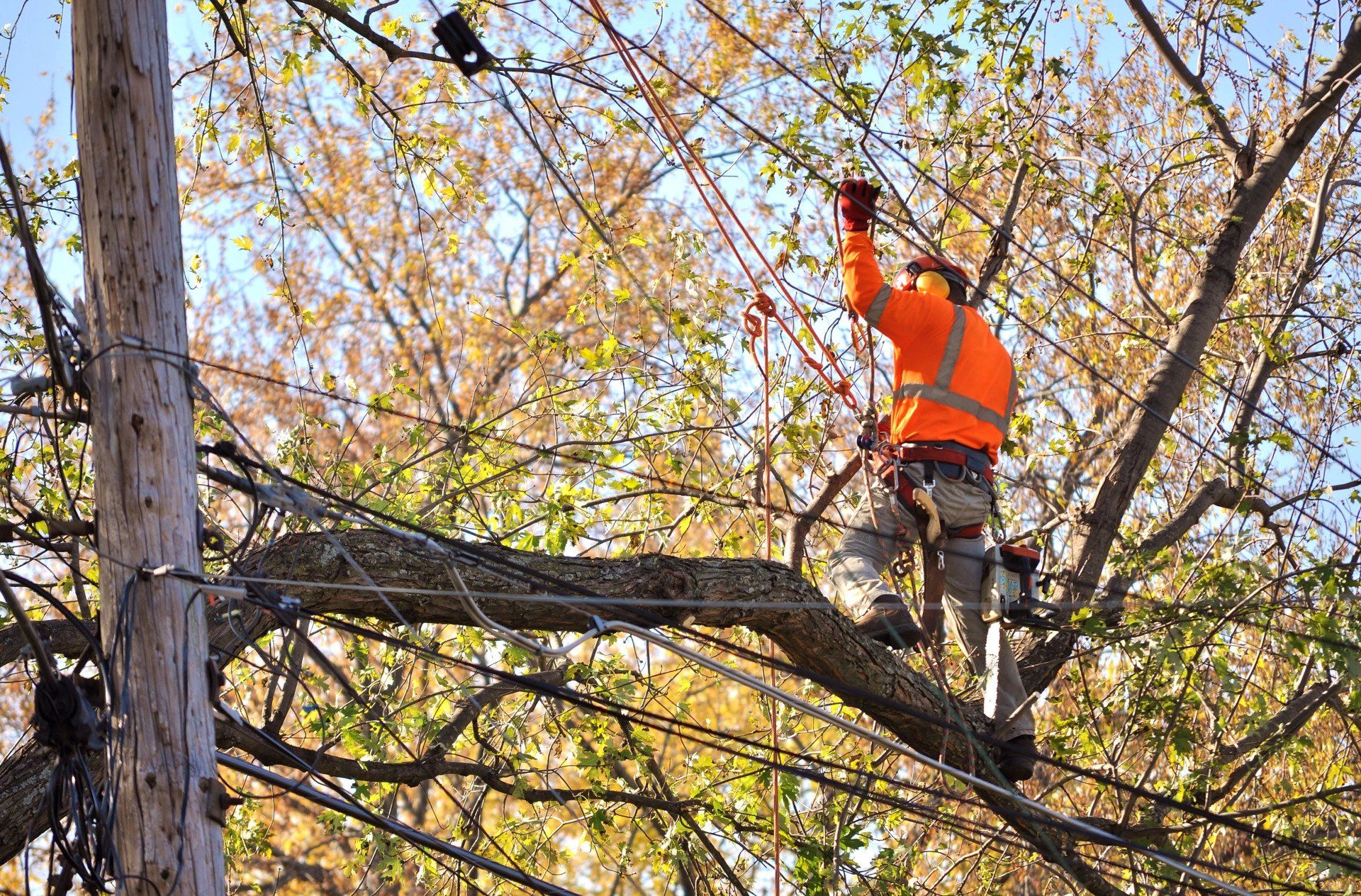
Trees provide shade, improve air quality, and enhance the aesthetic appeal of any property. However, not all trees remain beneficial forever. Some trees deteriorate over time, suffer from disease, or become structurally unsound, making them a potential hazard. Recognizing the signs that a tree requires professional tree removal is critical to protecting both people and property. Common indicators include large dead branches, cracks or splits in the bark, fungal growth, hollow trunks, and leaning trees. While some of these issues may initially seem minor, they can rapidly escalate into dangerous situations if ignored. According to This Old House, tree removal typically costs between $341 and $1,523 for a roughly 50-foot tree, highlighting the importance of timely intervention to prevent even more costly repairs later. Tree removal is especially important when a trees health is visibly declining or it shows structural instability. For instance, trees with hollow trunks or decayed roots are highly prone to falling, particularly during storms or heavy winds. Likewise, trees with extensive fungal growth are likely to be weakened internally, which can compromise their ability to withstand pressure. Identifying these early warning signs allows homeowners to make informed decisions and prioritize professional intervention before accidents occur. 1. Recognizing Hazards That Warrant Tree Removal Several hazards signal the need for tree removal. One of the most obvious is a leaning trunk that appears to shift over time. While some trees naturally lean due to sunlight exposure, sudden or increasing lean may indicate that the root system has been compromised. Such trees are unstable and present a high risk of falling. Similarly, visible cracks at the base or large cavities within the trunk are red flags for structural failure. These weaknesses are often hidden from casual observation but significantly increase the risk of collapse. Another hazard is the presence of dead or dying branches. While pruning can sometimes mitigate this issue, widespread dieback often means the tree is declining beyond repair. Dead branches can fall unpredictably, creating danger for pedestrians, pets, vehicles, and nearby structures. Trees with excessive deadwood require timely tree removal to prevent accidents and minimize property damage. Furthermore, infestation by pests such as bark beetles, emerald ash borers, or borers can rapidly weaken a tree, making removal the safest course of action. 2. Evaluating Disease and Pest Threats Diseases and pests are among the leading reasons homeowners need professional tree removal. Diseases like oak wilt, Dutch elm disease, or anthracnose can severely impact a trees health and spread quickly to neighboring trees. Early detection is crucial, but advanced stages of these diseases often leave removal as the only safe option. Infestations can also cause extensive damage, including leaf loss, bark deterioration, and internal rot. Ignoring these issues can compromise entire landscapes, resulting in higher costs and greater hazards. Professional arborists assess the extent of disease or pest activity, determining whether treatment, pruning, or complete tree removal is necessary. Taking preventive action prevents contagion and protects the surrounding environment. Homeowners attempting to manage disease or infestation on their own risk improper handling, which may worsen the situation or even create safety hazards. With tree removal performed by experts, both human safety and the long-term health of nearby vegetation are preserved. 3. Understanding the Impact of Structural Instability Even seemingly healthy trees can develop structural problems over time. Roots weakened by soil compaction, rot, or damage from construction activity may not adequately anchor the tree. A compromised root system increases the risk of toppling during storms or high winds. Additionally, previous storm damage to branches or trunks can result in lingering instability. Trees that have suffered structural trauma may appear outwardly sound but harbor unseen weaknesses that make them prone to sudden collapse. Another structural issue is an imbalanced canopy, where one side of the tree grows disproportionately heavier than the other. This imbalance stresses the trunk and root system, making the tree more susceptible to falling. Cracks at the base or along the trunk further indicate a trees inability to maintain stability. Identifying these signs early allows homeowners to mitigate risks with professional tree removal before damage occurs. Removing structurally unsound trees protects both lives and property while maintaining the integrity of the surrounding landscape. 4. Assessing Trees Near Buildings and Utilities Trees located too close to structures or utility lines are common candidates for tree removal. Branches that overhang roofs, windows, or walls can cause physical damage, clog gutters, and increase maintenance needs. Roots that grow near foundations can destabilize soil, creating cracks or other structural issues. Moreover, trees in proximity to power lines pose serious safety risks, including electrocution or fire hazards, particularly during storms. In these situations, proactive tree removal not only protects the home but also prevents costly emergency interventions. Utility companies frequently issue warnings to homeowners when trees are dangerously close to power lines. Ignoring these alerts may result in mandatory removal or fines, making professional tree removal a practical solution. By removing high-risk trees before accidents or violations occur, homeowners ensure compliance with local safety regulations while maintaining a secure and functional landscape. 5. Considering Landscape Changes and Property Planning Tree removal is also sometimes necessary for aesthetic or functional reasons. When planning new construction, renovations, or landscaping improvements, existing trees may obstruct progress or conflict with desired layouts. Removing trees strategically can open space for gardens, patios, walkways, or other features, creating a cohesive and visually pleasing landscape. Tree removal can also enhance sunlight exposure, improve airflow, and allow other plants to thrive, supporting a healthier and more attractive yard. Some homeowners prefer the look of open or minimalistic spaces, which may necessitate removing certain trees that block sightlines or dominate the yard. Proper planning ensures that removal aligns with the overall vision for the property. When undertaken by professionals, tree removal can be accomplished safely and efficiently, preventing unnecessary damage to surrounding plants or infrastructure. Expert services ensure that the tree is removed without causing disruptions, making way for a functional and beautiful outdoor environment. 6. Understanding Cost and Professional Services One common concern with tree removal is cost. According to This Old House, tree removal typically costs between $341 and $1,523 for a roughly 50-foot tree, depending on size, location, and complexity. While DIY removal may seem like a way to save money, attempting to handle large or hazardous trees without professional equipment can result in injury, property damage, and even legal liability. Hiring a certified tree removal service ensures the work is done safely, efficiently, and in compliance with local regulations. Professional tree removal teams have the tools, knowledge, and experience to manage all aspects of the process, including cutting, hauling, and debris disposal. They can assess risks, stabilize trees during removal, and minimize damage to surrounding property. This expertise is especially important for large, diseased, or structurally unstable trees that pose significant hazards. Choosing professional services not only guarantees safety but also preserves the value of your property and prevents additional expenses from accidents or failed DIY attempts. 7. Ensuring Long-Term Safety and Property Protection Timely tree removal protects both people and property from avoidable hazards. Trees that are removed before they collapse prevent potential injuries, damage to homes or vehicles, and disruptions to utilities. Moreover, removing diseased or infested trees helps protect the surrounding environment, preserving the health of other plants and maintaining overall landscape stability. Homeowners benefit from reduced maintenance, enhanced safety, and improved aesthetic appeal. Strategic tree removal is a proactive investment that safeguards both immediate and long-term property value. Tree removal is an essential service for maintaining a safe and attractive landscape. From visibly damaged or diseased trees to those that threaten structures, utilities, or aesthetic goals, professional intervention ensures the process is done safely and efficiently. The risks of DIY removal including injury, property damage, and potential legal liability far outweigh any perceived cost savings. Investing in trained arborists guarantees not only the safe removal of hazardous trees but also protection for your property and the surrounding environment. For reliable, expert tree removal services that prioritize safety, efficiency, and long-term landscape health, contact Toms River Tree Service today to schedule your consultation and protect your property with confidence.
tree service
April 3, 2025
A professional tree service offers peace of mind for homeowners who want to maintain beautiful and safe landscapes. Read more now.
tree removal services
September 15, 2022
It's important you remove any diseased or unhealthy trees from your property. However, you can only do this by hiring professional tree removal services.
tree services
February 26, 2022
Trees have the power to create a tranquil, refreshing space for your home, but they need help from professional tree services to stay this way.