How to Tell When a Tree Has Become a Liability to Your Property
Trees can add beauty, shade, and environmental benefits to a property. However, when a tree becomes unhealthy, unstable, or poorly positioned, it can create serious risks for homeowners. Recognizing warning signs early can help prevent property damage, injuries, and unexpected expenses. While some problems can be addressed through routine maintenance, others may require professional intervention or complete removal. Understanding when to contact a tree removal company can help property owners make informed decisions about their landscapes.
Recognizing Signs of Tree Health Problems
Identifying Disease and Decay
Tree diseases can gradually weaken a tree, sometimes causing significant damage before obvious symptoms appear. Conditions such as Dutch Elm Disease, Oak Wilt, and Anthracnose may cause wilting leaves, discolored bark, and premature leaf drop. Fungal growth around the trunk or exposed roots can also indicate decay. A professional evaluation can determine whether treatment is possible or removal is necessary. A tree removal company can help address trees that have become too damaged to safely preserve.
Evaluating Structural Weakness
Excessive leaning, deep trunk cracks, split branches, and multiple weak trunks can indicate an increased risk of failure. Previous storm damage, improper pruning, and poor growing conditions may contribute to these problems. A tree removal company can evaluate structural concerns and determine whether corrective pruning, support, or removal is appropriate.
Watching for Pest Infestations
Insects can weaken trees by damaging their leaves, bark, and internal tissues. Emerald ash borers, aphids, and spider mites are examples of pests that contribute to declining tree health. Warning signs include holes in the trunk, chewed foliage, unusual sap production, and branch dieback. Identifying infestations early gives property owners more options for protecting affected trees.
Monitoring Branch and Root Conditions
Dead branches, thinning canopies, and unusual leaf discoloration can indicate declining health. Root problems are equally important, even though they are often difficult to identify. Compacted soil, poor drainage, and construction damage can weaken a tree's stability. Exposed roots, soil heaving, and sudden canopy changes may indicate underlying problems that deserve professional attention.
Identifying Risks to Property and Structures
Assessing Proximity to Buildings
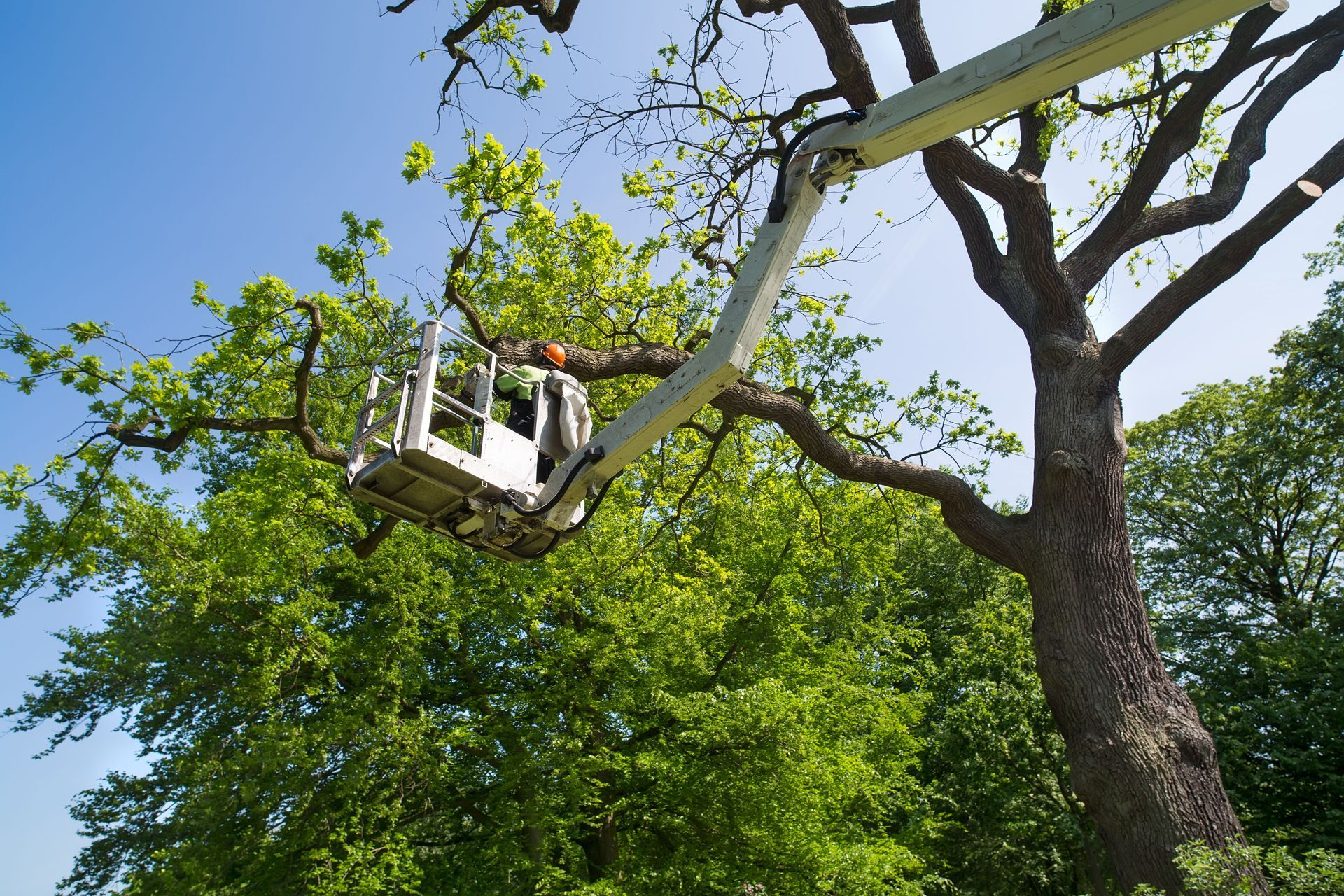
Trees growing too close to homes can create long-term maintenance concerns. Overhanging branches may damage roofs and gutters, while expanding trunks and limbs can interfere with nearby structures. Certain root systems may also affect foundations, sidewalks, and underground infrastructure. A professional assessment can determine whether pruning is sufficient or whether the tree presents a more serious concern. When removal is recommended, a tree removal company can help prevent further damage to nearby structures.
Recognizing Falling Branch Hazards
Weak, dead, or damaged branches can become dangerous during heavy rain, strong winds, or snow accumulation. Falling limbs may damage vehicles, roofs, and fences or injure people nearby. Trees with visible cracks, hanging branches, or significant canopy dieback deserve particular attention. Removing hazardous limbs can reduce some risks, although extensive structural damage may require additional intervention.
Preventing Utility and Drainage Problems
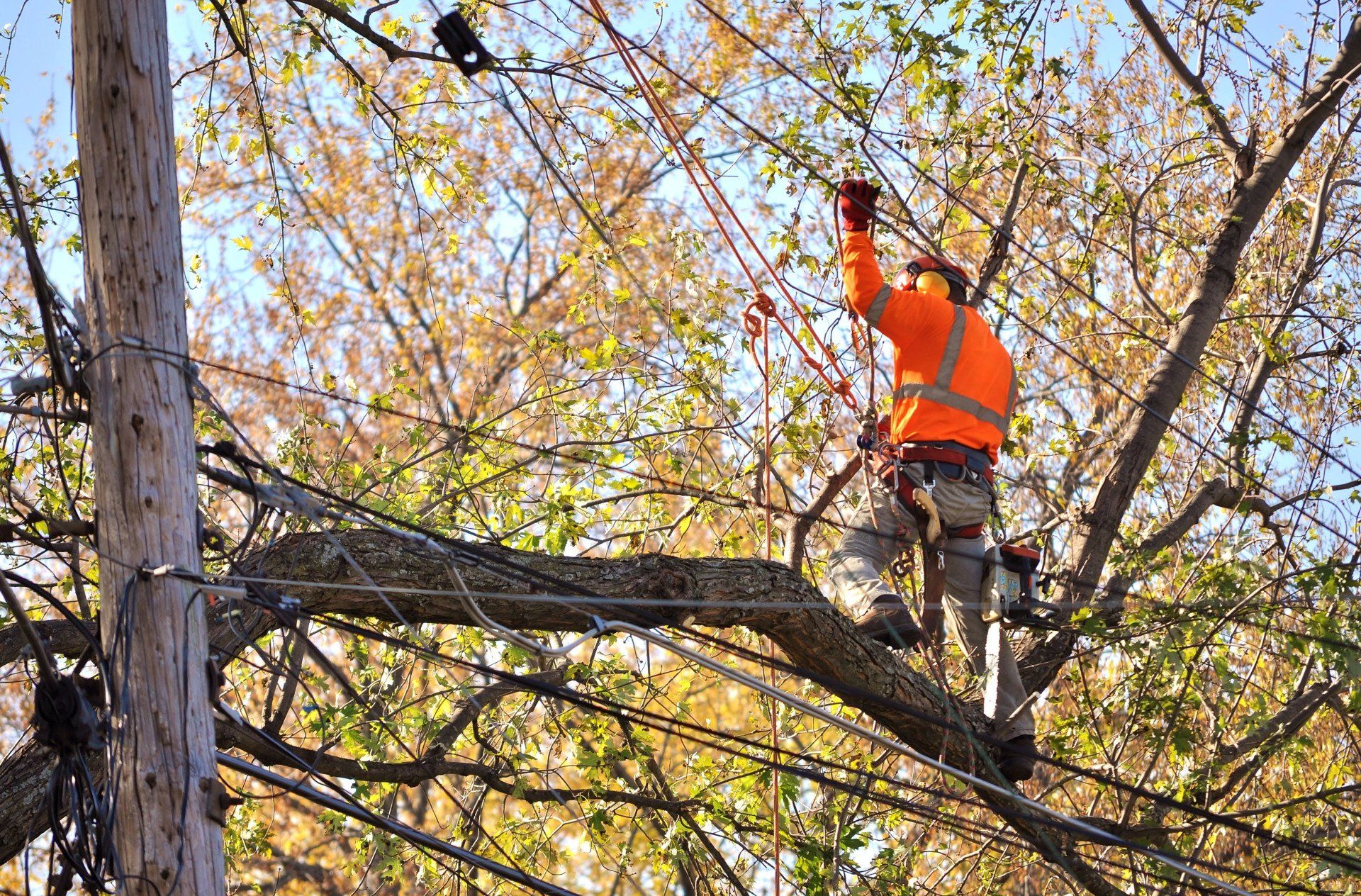
Tree growth can interfere with electrical lines, plumbing, and drainage systems. Branches touching overhead power lines create serious safety concerns, while underground roots may damage water and sewer pipes. According to the Tree Care Industry Magazine, 49.8% of the tree care industry is due to residential services. This highlights the importance of residential tree maintenance and addressing concerns involving utilities and property structures. Professional evaluations can identify potential problems before they become expensive.
Understanding Foundation and Water Concerns
Some tree species develop extensive root systems that can affect foundations, retaining walls, and paved surfaces. Poplars and willows, for example, are known for vigorous root growth. Roots may also interfere with drainage systems or alter soil moisture conditions. When damage is suspected, a professional assessment can help identify the cause and determine an appropriate solution.
Understanding Financial and Weather-Related Risks
Considering Property Owner Liability
Property owners have a responsibility to maintain reasonably safe landscapes. A neglected tree with obvious signs of instability could create liability concerns if falling branches damage neighboring property or injure someone. Local regulations may also establish requirements for tree maintenance. Keeping records of inspections and professional recommendations can help demonstrate that potential hazards have received attention.
Reviewing Insurance and Removal Costs
Tree-related damage can create unexpected financial challenges. Insurance coverage depends on the circumstances, policy exclusions, and whether negligence contributed to the incident. Property owners should discuss specific questions with their insurance providers.
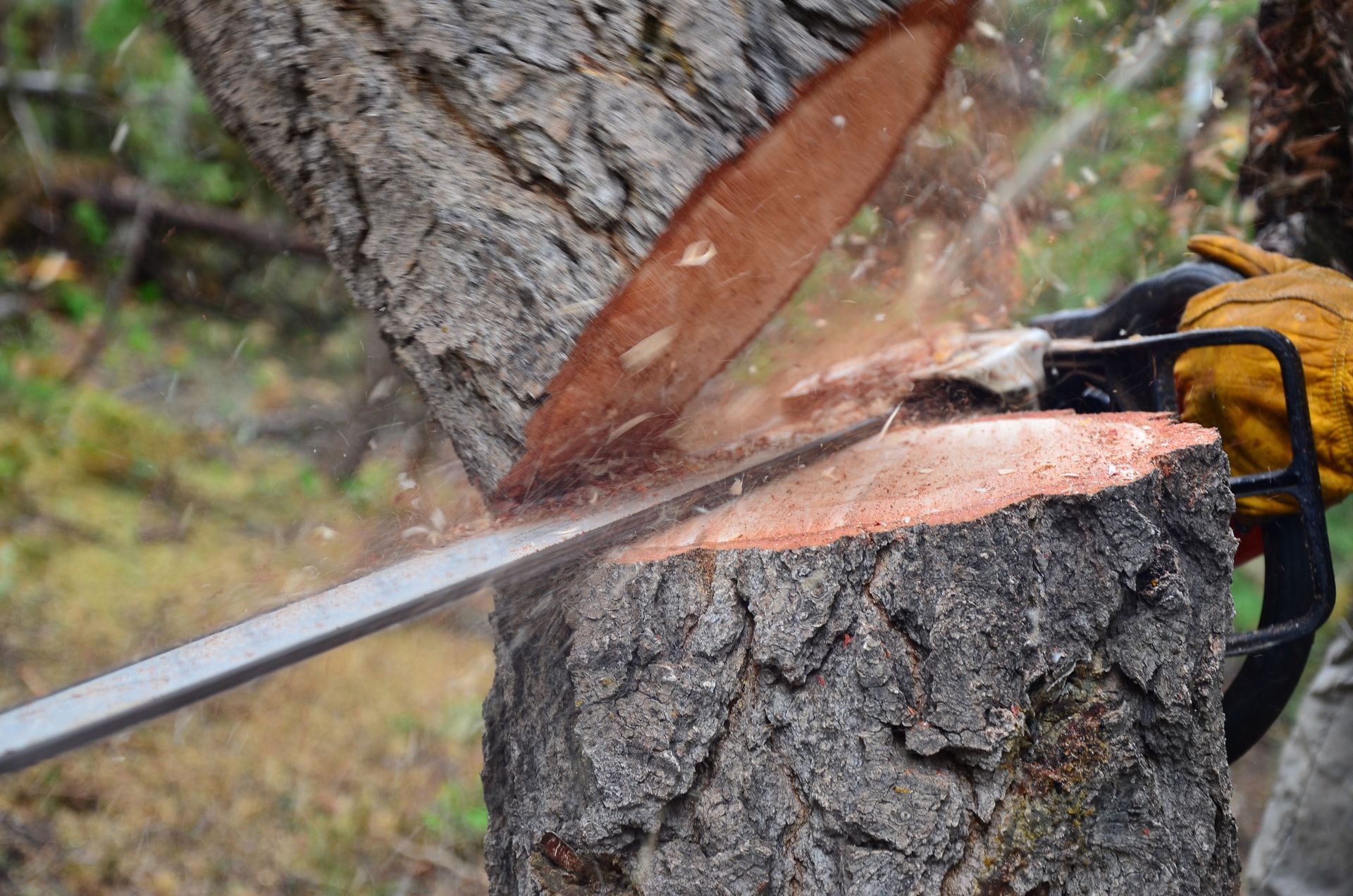
Removal expenses vary according to tree size, condition, location, and accessibility. Large trees near buildings or utility lines may require additional planning and equipment. Although hiring a tree removal company involves an upfront expense, addressing a hazardous tree before it falls may help prevent more costly repairs. Comparing estimates from qualified providers can help homeowners understand the work involved and plan for the expense.
Evaluating Storm and Seasonal Damage
Severe weather can expose weaknesses that may not be apparent under normal conditions. Strong winds place stress on trunks and root systems, while heavy rain can saturate soil and reduce stability. Snow and ice may cause weakened branches to break. Inspecting trees after major weather events can help identify new damage before it becomes a serious hazard.
Recognizing Fire and Wind Exposure
Dead branches, dry vegetation, and densely packed trees can contribute to wildfire risks near homes. Removing accumulated debris and maintaining appropriate clearance around structures can help reduce combustible materials. Trees with unbalanced canopies, weak branches, or shallow root systems may also be more vulnerable to strong winds. Evaluating these conditions helps homeowners determine appropriate maintenance measures.
Knowing When to Seek Professional Tree Services
Scheduling a Professional Risk Assessment
When a tree shows signs of disease, structural damage, or instability, consulting a qualified professional is important. An arborist can examine the trunk, canopy, roots, and surrounding soil to evaluate potential hazards. This assessment helps determine whether a tree can be preserved or requires removal. A tree removal company can also explain whether pruning or structural support may address the problem.
Choosing the Appropriate Maintenance Solution
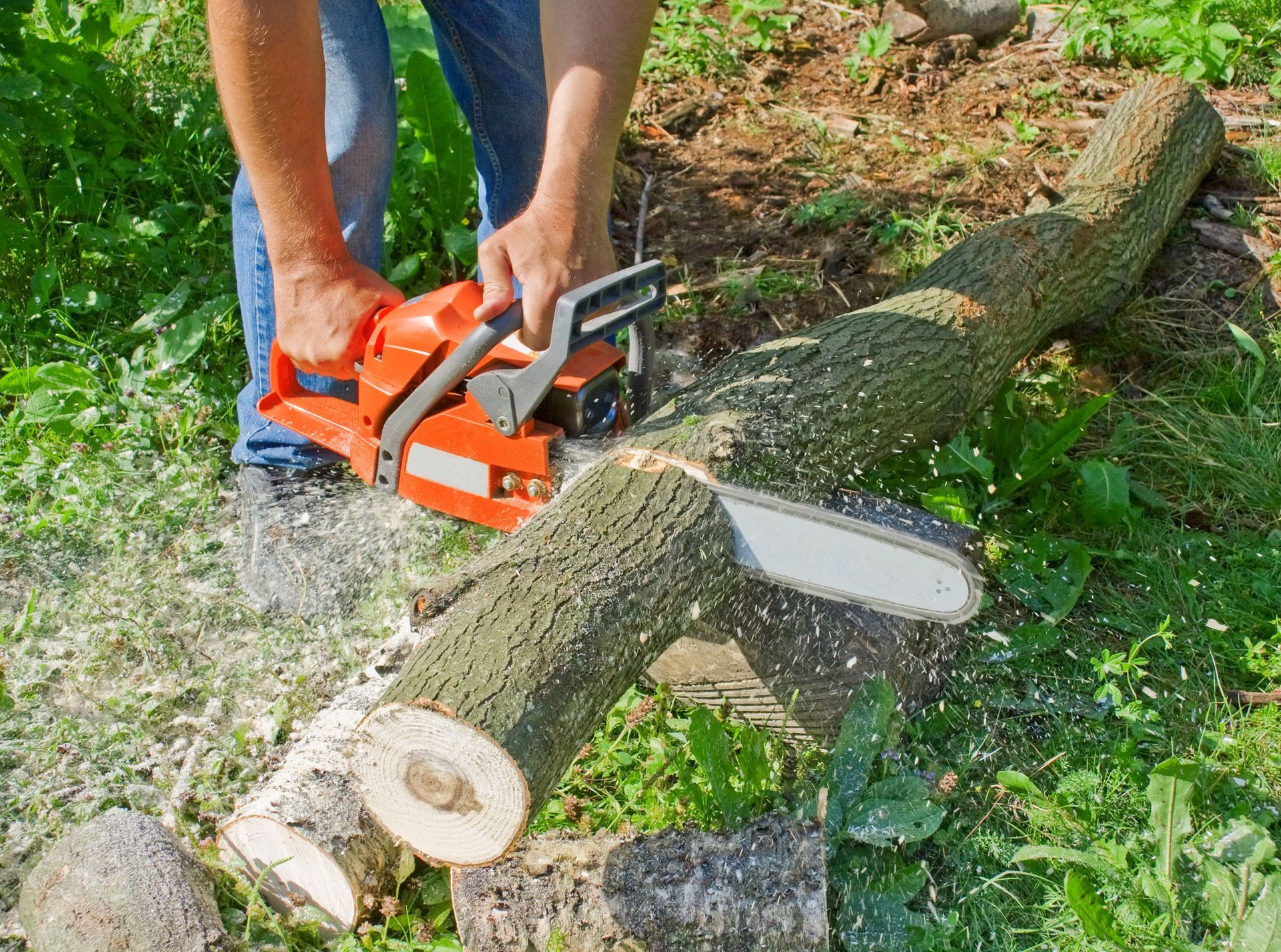
Not every unhealthy tree needs to be removed. Strategic pruning can eliminate dead branches and improve canopy balance. Cabling and bracing may provide additional support for certain structural weaknesses. Fertilization and appropriate pest treatments can also address some health problems. However, extensive decay or severe root damage may make removal the most practical option. An experienced tree removal company can explain the available approaches and help property owners understand when removal is warranted.
Establishing an Inspection Routine
Routine inspections help property owners recognize developing problems before they become emergencies. Checking the trunk, branches, foliage, and visible roots throughout the year can reveal changes in tree health. Following storms, look for hanging limbs, fresh cracks, leaning trunks, and disturbed soil. Regular pruning and appropriate soil management can also support healthier growth.
Protecting Your Property With Proactive Tree Care
Making Informed Decisions About Hazardous Trees
Trees contribute to a property's appearance, comfort, and environmental value, but their condition should never be overlooked. Disease, pest infestations, structural weaknesses, and root damage can turn valuable landscape features into potential liabilities. Recognizing warning signs allows homeowners to address problems before they lead to injuries or expensive repairs. Professional guidance can also help determine which trees can be preserved and which need to be removed.
Taking the Next Step Toward a Safer Landscape
Addressing hazardous trees requires careful evaluation and appropriate maintenance or removal. Waiting until a damaged tree falls can expose homeowners to unnecessary risks. Property owners who notice concerning changes should arrange an inspection with a professional tree removal company rather than attempting dangerous work themselves. Toms River Tree Service can help homeowners evaluate tree concerns and determine appropriate solutions for maintaining safer outdoor spaces. Taking action early can protect property investments while preserving the benefits of healthy trees.
Share On: